
 Contact us


Indigo Tech Recruiters team gave the traditional annual overview of how much HRDs make in the IT sector. To recap, we previously released an overview of C-Level management salaries.
We thank Fint8 represented by Anton Shulyk and Andrii Tertyshnyk for helping us process the data.
In the fast-paced world of IT technologies, HRDs are responsible for developing and implementing strategies to attract, retain, and develop top talents. They guard corporate culture, ensuring that employees feel valued and included, which—in turn—drives innovation and business success.
Besides, HR directors at IT companies must keep up with industry trends, technological advances, and legislative changes that may impact the team. Their ability to adapt and integrate new strategies is critical to business growth and staying ahead of the competition.
While the core responsibilities of HR directors remain the same across the IT industry, their roles at product companies and outsourcing companies are substantially different.
At product companies, HRDs focus on building a strong employer brand by aligning the company vision and values with talent management strategies. They take charge of creating a work environment that encourages creativity and innovation, supporting the development of cutting-edge products and services. Also, HRDs at product companies must ensure that their teams have the necessary skills and resources to succeed in a rapidly evolving market.
On the other hand, HR directors at outsourcing companies face the unique challenge of managing diverse teams working for various clients, projects, and locations. Their main task is to ensure seamless collaboration between teams and clients while keeping the level of efficiency and employee satisfaction high. Besides, HRDs at outsourcing companies tailor talent acquisition strategies to secure the right candidates for all projects, often working under tight deadlines and budget constraints.
Let’s check out how much HRDs in Ukraine get paid for the value they deliver to businesses.
This article is based on data from 40 HRDs working for IT companies in Ukraine.
During our work, we have recruited about 40 HRDs for various companies and know the competencies and roles of HRs in the IT sector largely depend on how mature the company is and what needs it has. In some cases, it’s an income-generating role; in other cases, we are talking about a specialist who entertains the team and acts as a recruiter and an administrator.
Whether HRDs are successful depends on three factors:
1. Their competencies and tasks must match the stage of business development.
2. They must work in a team with mature managers.
3. They must be professionals and mature personalities.
A different level of competencies, responsibilities, and companies impacts the pay band of HRDs.
The income of HRDs in the IT sector can range from $2,480 to $7,050 ($10,000–11,000 were also available) per month. They fell into the upper 10% of the dataset and were therefore trimmed as possible outliers or statistically improbable.

Figure 1: A general pay band
The salary level of HRDs depends on various factors.
I would like to emphasize that we dropped the items where we received less than 4x data, as they cannot be valid enough for decision-making.
For instance, if only four HRDs answered that they worked as top managers for three years, we dropped them as not indicative and considered only those with five or more answers.
HRDs at companies with an annual turnover of $10 to $50 million earn the highest median compensation.
But the largest compensation—the 75th and 90th percentile—was for HRDs at companies with a turnover of more than $50 million, i.e., $9,000 and $10,800, respectively. We only had five such participants in our survey.

Figure 2: Dependence of compensations on the company’s annual turnover

In the IT sector, HRDs are predominantly female (85%), and their compensation is on average 13% higher than that of male HRDs. But it is almost the same for the 75th and 90th percentile.

Figure 3: Dependence of compensations on the employee’s gender
We show first candidates in 6 days. Closing complex vacancies for 15+ years, 300,000+ talents in our database.
There is no big difference between the level of salaries and the company type: product, outsourcing, or outstaffing.
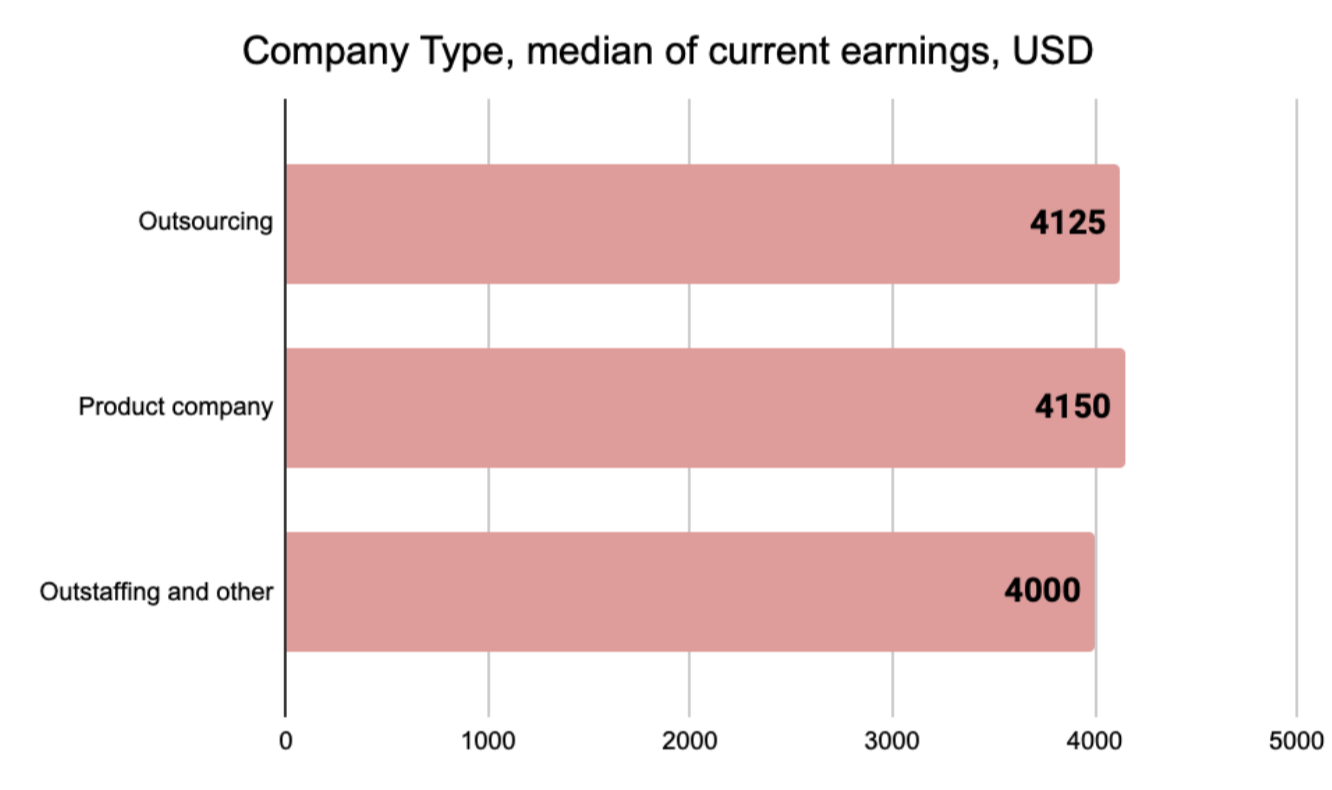
Figure 4: Dependence of compensations on the company type
Analyzing the pay band depending on the team size helped us find out this:
> At companies with 0 to 800 employees, the compensation gradually increases, from $3,000 to $6,900 (median).
> The situation changes somewhat for companies with more than 800 employees: the median compensation is $5,250, which is an exception to the growth dynamics of the median compensation relative to the headcount; the same applies to the top 10 and top 25 results of the survey.

Figure 5: Compensations of HRDs depending on the headcount
See below to learn how the number of subordinates impacts how much HRDs make (the median picture).
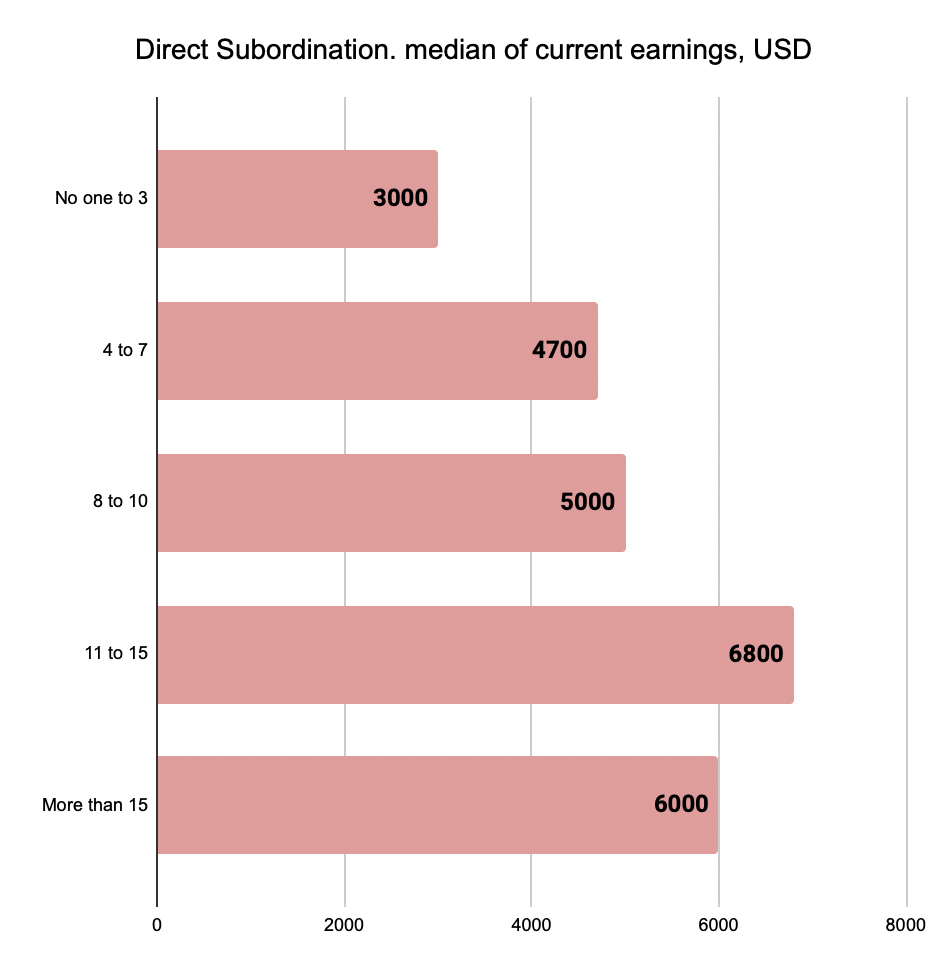
Figure 6: Median compensations of HRDs depending on the number of subordinates
Looking at the chart, we can see that HRDs at companies founded in Europe and the USA get paid more than at those in Ukraine.
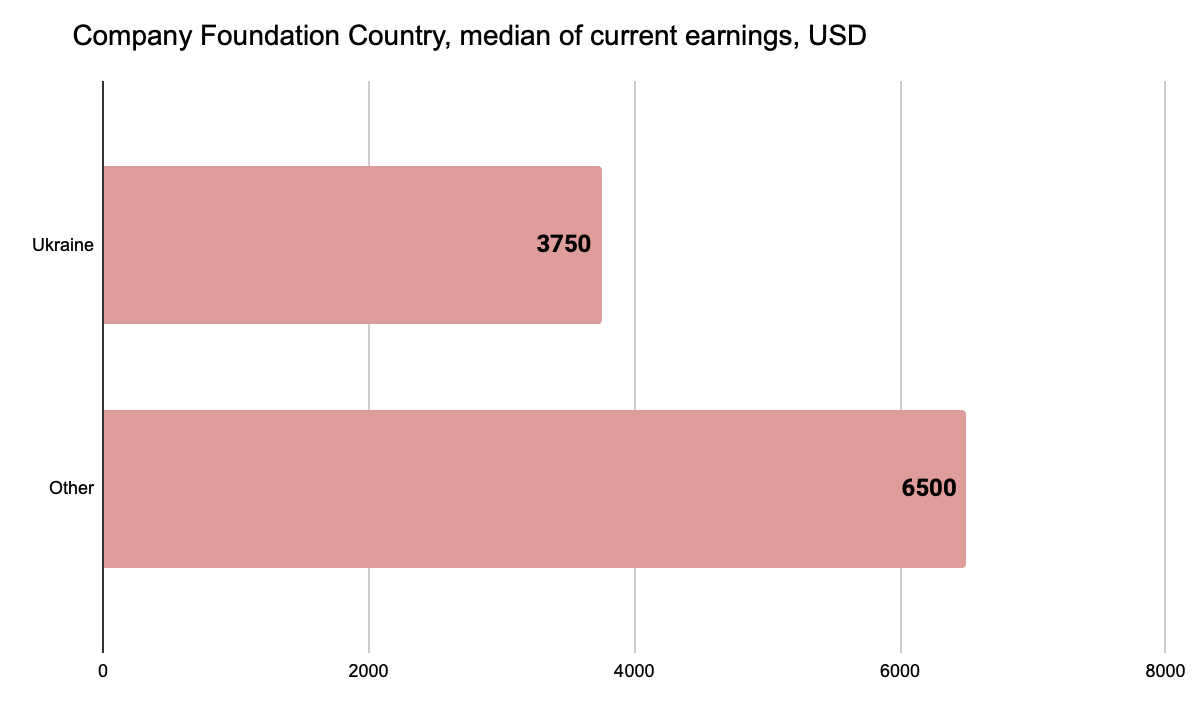
Figure 7: Dependence of compensations on the country where the company is founded
Our surveys show that people aged more than 40 earn less than their 35–39-year-old counterparts across all C-Level roles. This phenomenon requires a more detailed study.

Figure 8: Dependence of compensations on the age of HRDs
Also, the survey shows that participants who have worked as top managers for more than ten years get paid more.
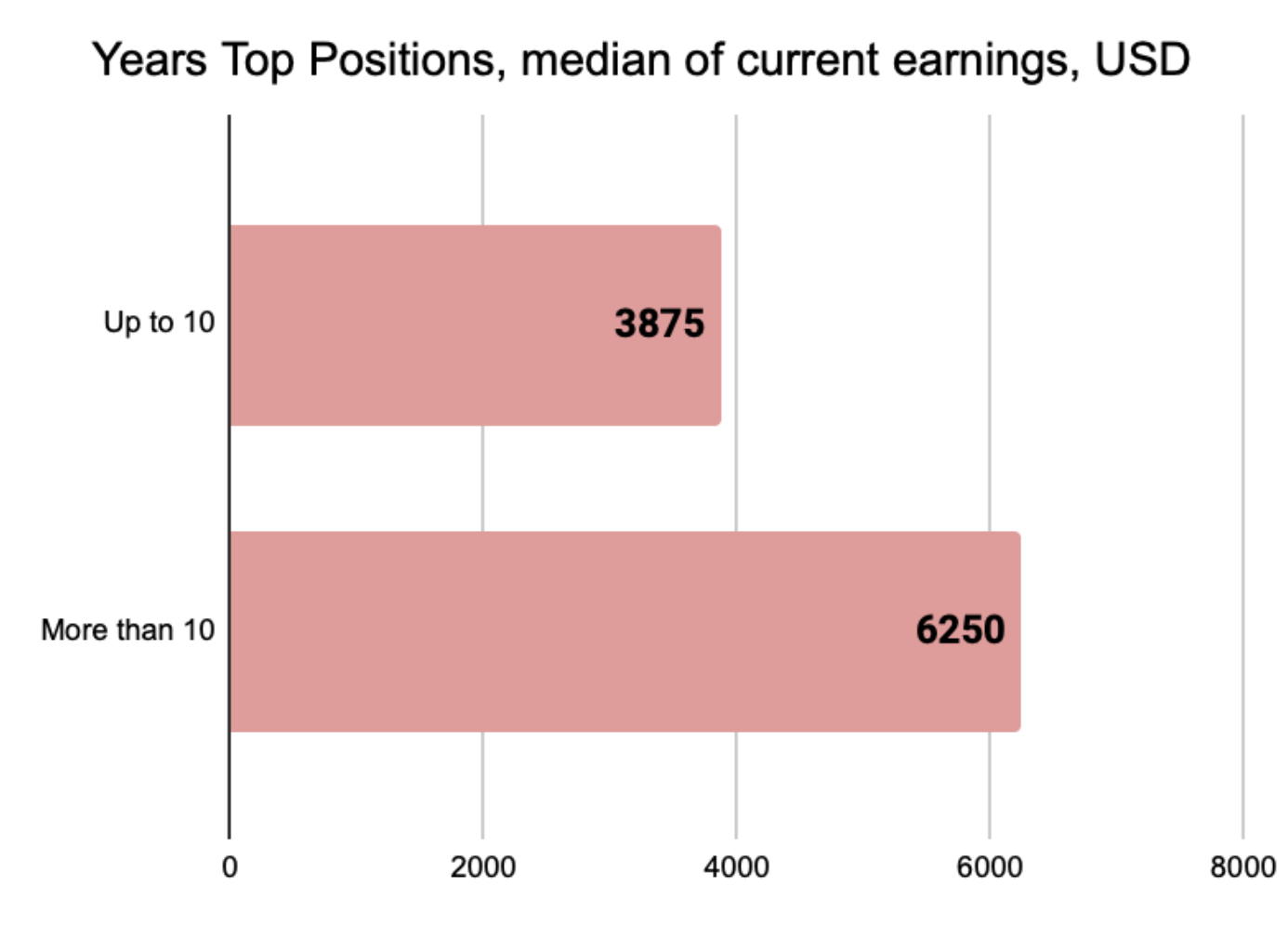
Figure 9: Dependence of compensations on experience
In addition to the level of salaries, we consider the factors of motivation, demotivation, and working conditions.
These employees value the culture of trust in the company (78%), freedom in decision-making (76%), and professional development (72%). The level of salaries takes sixth place among motivation factors (64%). Interestingly, the company mission and goals only take eighth place (54%).
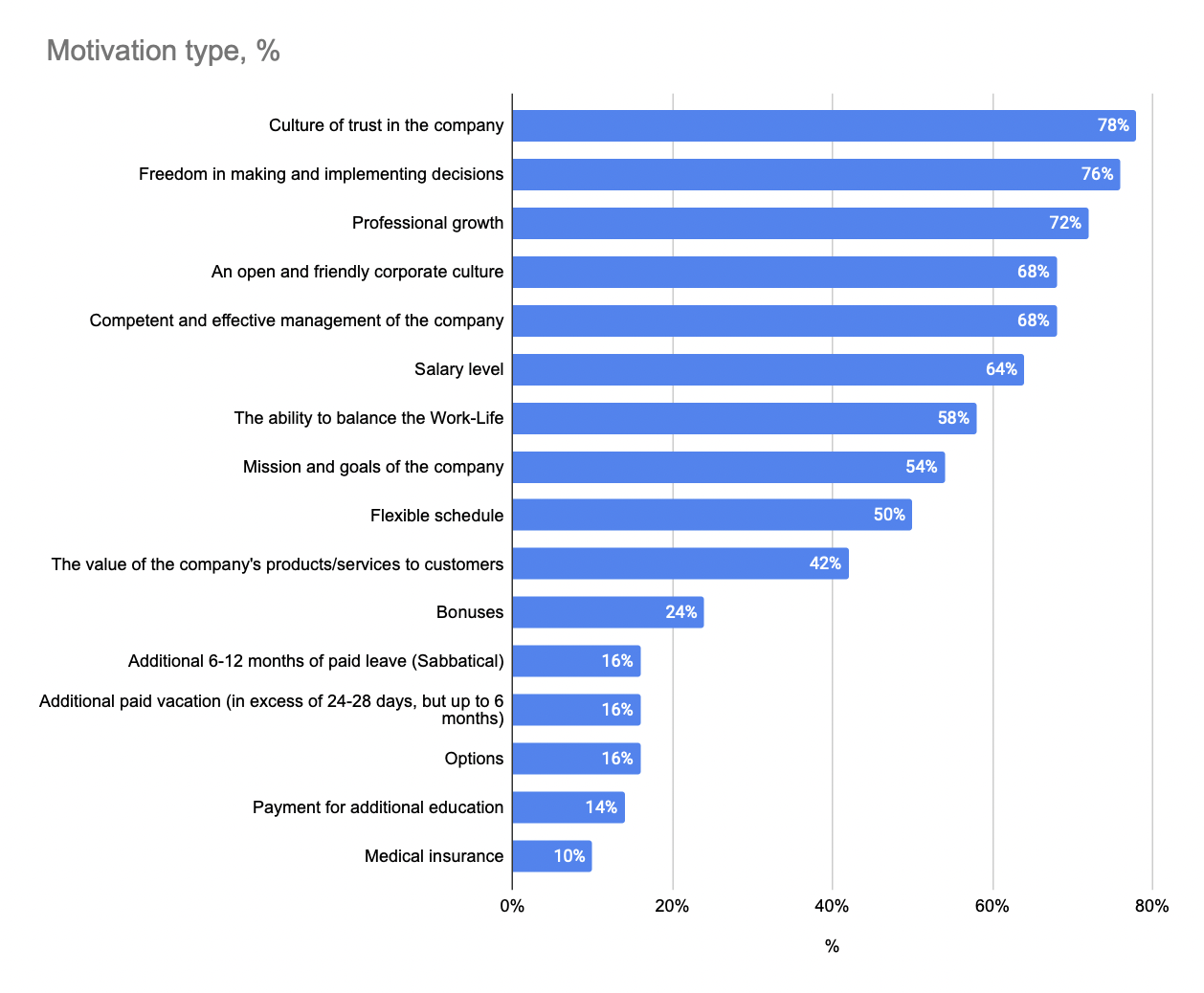
Figure 10: Motivational factors for HRDs
First and foremost, incompetent and ineffective company management (54%), a low level of freedom in decision-making (52%), and no work-life balance (50%) are the things that create disincentives.
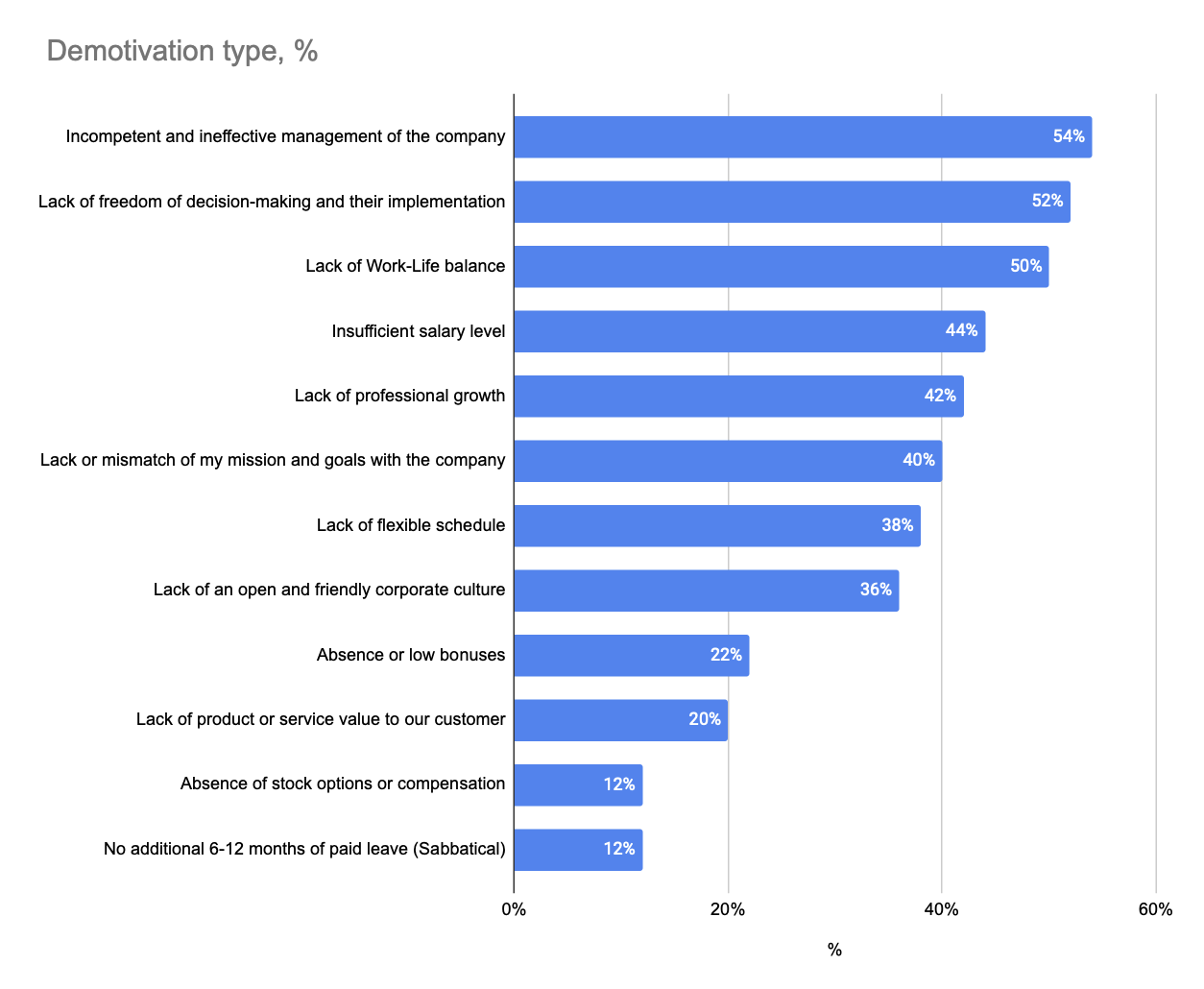
Figure 11: Disincentives for HRDs
Interestingly, many HRDs receive paid training (62%), but only 14% answered that it somehow impacts their motivation. The same applies to health insurance.
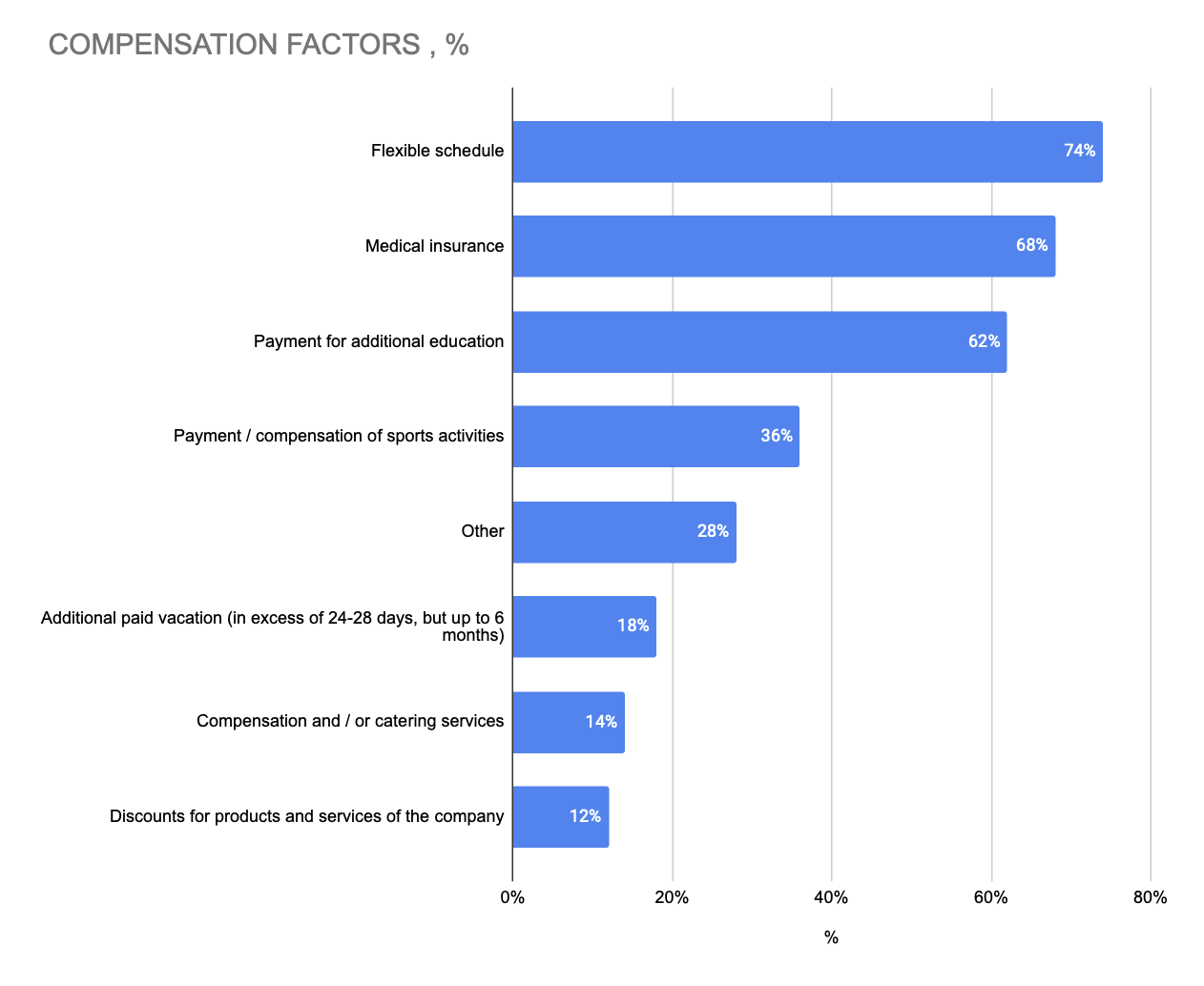
Figure 12: Compensations for HRDs
So, 32% of HRDs have no KPIs at all. Also, 48% of the bonus depends on whether they deliver on the department’s plan and 26% on the company’s profit.
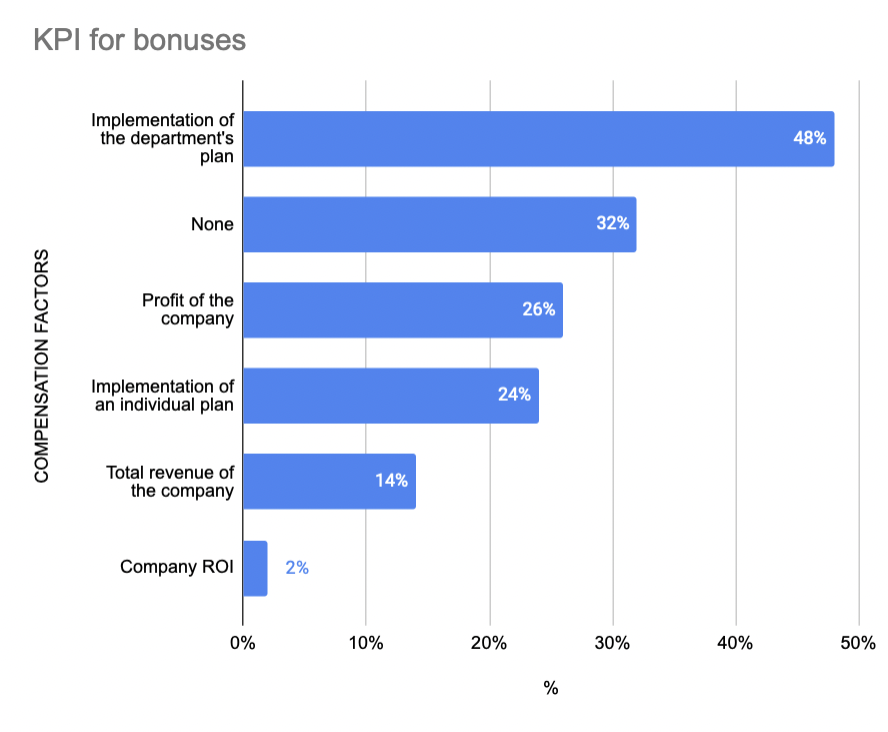
Figure 13: KPIs to get the bonus
According to our data, 56% of HRDs receive a fixed salary and a bonus, while 44% receive a fixed salary only.
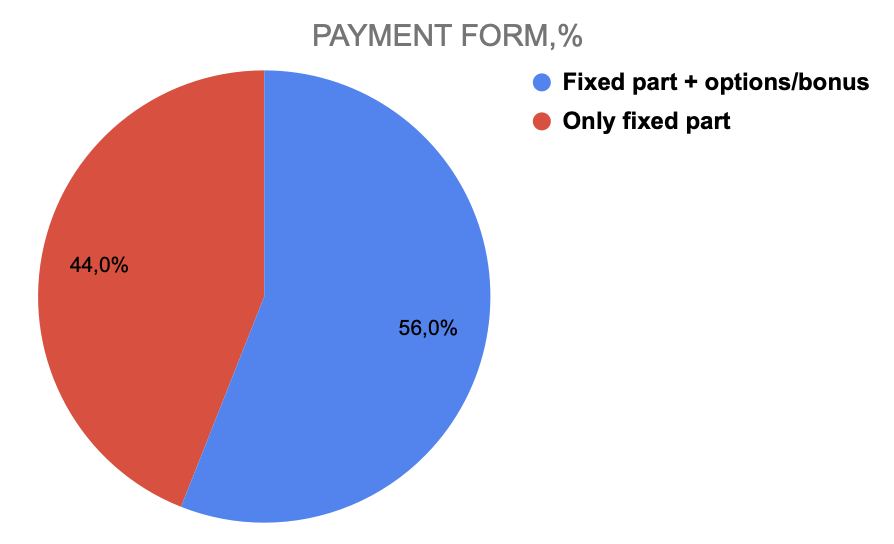
Figure 14: Forms of payment
We will be happy if this article comes in handy for making the right business decisions.
Stay connected!
We show first candidates in 6 days. Closing complex vacancies for 15+ years, 300,000+ talents in our database.